
In 2026, SEO isn’t just about keywords and backlinks—it’s about experience, intelligence, and adaptability. Google’s algorithms now reward websites that are fast, stable, user-friendly, and contextually relevant, making technical SEO one of the most critical pillars of digital success.
At the heart of this evolution are Core Web Vitals—Google’s key metrics that measure real-world user experience. But optimizing for performance now goes beyond just these numbers. It’s about building a technically advanced ecosystem where speed, accessibility, usability, and AI-readiness work together to deliver the best possible experience for every visitor.
Let’s break down how to master Core Web Vitals—and the technical SEO essentials that will keep your website performing at its peak in 2026.
Understanding Core Web Vitals
Core Web Vitals are a set of metrics that reflect how users experience your website’s loading speed, interactivity, and visual stability.
- Largest Contentful Paint (LCP): Measures how quickly the main content loads. Ideal score: under 2.5 seconds.
- Interaction to Next Paint (INP): Replaces First Input Delay (FID) and measures overall responsiveness across user interactions. Ideal score: under 200 milliseconds.
- Cumulative Layout Shift (CLS): Measures visual stability—how much elements move while loading. Ideal score: less than 0.1.
Google uses these metrics as ranking signals because they directly impact user satisfaction. A slow, unstable, or unresponsive site leads to frustration—and lost conversions.
Why Core Web Vitals Matter for SEO

In 2026, Google’s algorithms prioritize page experience alongside intent, relevance, and content quality. Websites that meet Core Web Vitals standards enjoy:
- Higher visibility in search and AI-powered results
- Lower bounce rates
- Increased engagement and time on site
- Stronger conversion performance
Search engines now evaluate user experience as a primary signal of trust, quality, and authority.
When your website loads quickly, responds instantly, and feels seamless, you’re not just pleasing Google—you’re earning long-term user loyalty.
Page Speed Optimization: Every Millisecond Counts
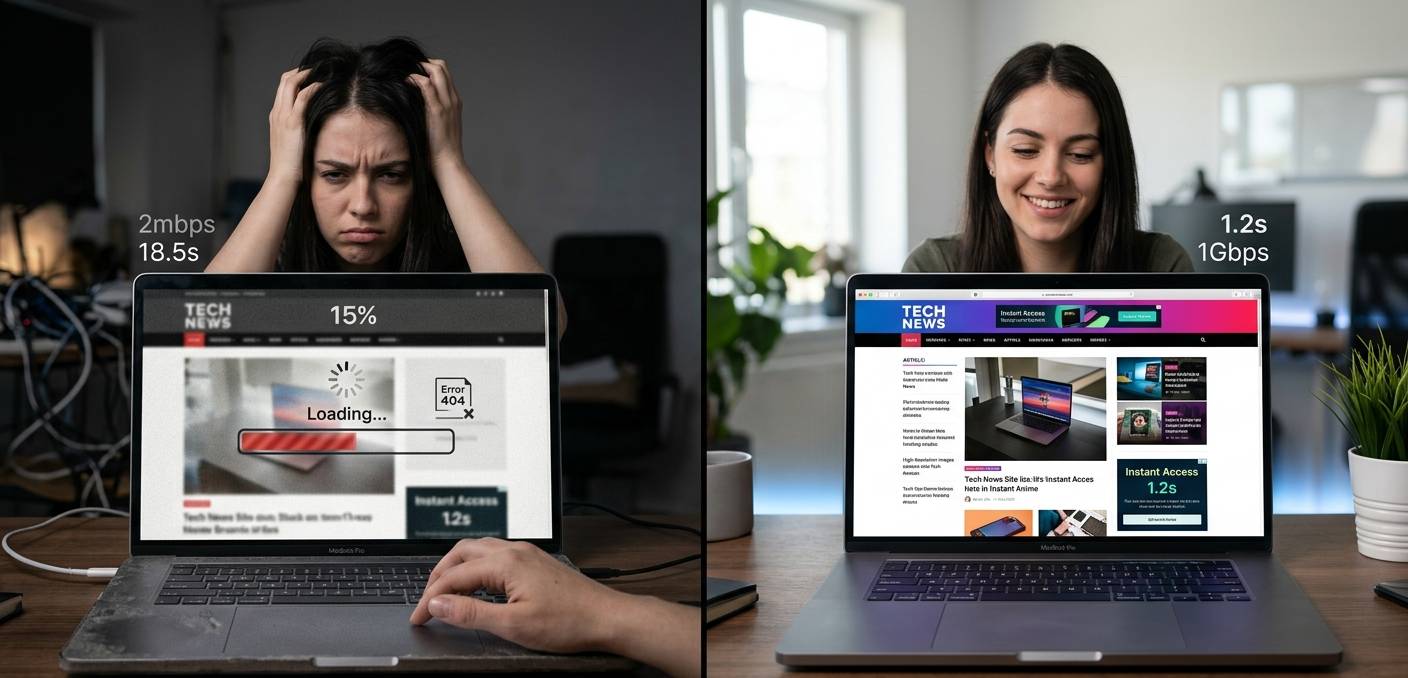
Speed remains one of the most critical performance factors in SEO. Even slight delays can significantly impact user behavior and revenue.
To optimize page speed:
- Use next-gen image formats (WebP, AVIF) with adaptive sizing.
- Minimize and defer JavaScript and CSS.
- Implement lazy loading and priority loading for key assets.
- Use Content Delivery Networks (CDNs) and edge computing.
- Enable browser caching and server-level optimizations.
A fast-loading site improves rankings, enhances user trust, and increases retention.
Mobile Optimization: More Critical Than Ever
With mobile-first indexing fully dominant, Google primarily evaluates the mobile version of your website.
Ensure your site is:
- Fully responsive across all devices and screen sizes.
- Optimized for touch interactions and readability.
- Free from intrusive pop-ups and heavy mobile ads.
Mobile optimization now also directly impacts voice search, AI assistants, and real-time search experiences.
Secure and Accessible Websites Win Trust
Technical SEO is not just about performance—it’s also about security and inclusivity.
- HTTPS: Mandatory for trust and ranking signals.
- Accessibility: Proper headings, alt text, and ARIA labels improve usability and compliance.
- Error-free navigation: Fix broken links and eliminate 404 errors.
A secure and accessible website signals credibility to both users and search engines.
Crawlability and Indexing: Help Google Help You
Even the best content won’t rank if it cannot be properly crawled or indexed.
Optimize crawlability by:
- Maintaining an updated XML sitemap.
- Using search console tools for indexing insights.
- Managing robots.txt strategically.
- Fixing redirect chains and internal linking issues.
- Using canonical tags to prevent duplication.
Clear technical structure ensures search engines can discover, understand, and rank your content effectively.
Structured Data: Optimizing for AI Search
Structured data (schema markup) plays an even bigger role in 2026, especially with AI-driven search results and conversational interfaces.
It helps search engines understand context, intent, and relationships between content elements.
Use schema for:
- Articles and blogs
- Products and services
- Events and locations
- Reviews and testimonials
Well-structured data increases your chances of appearing in rich results, featured snippets, and AI-generated answers.
Beyond Core Web Vitals: The Future of Technical SEO
While Core Web Vitals remain essential, SEO in 2026 goes further with advanced technologies:
- AI-first indexing: Search engines deeply analyze context, intent, and content quality.
- Edge rendering and server-side optimization: Faster delivery and improved crawl efficiency.
- Sustainable web design: Reduced data usage and optimized performance for environmental impact.
- Progressive Web Apps (PWAs): App-like experiences directly in the browser.
Modern technical SEO is about innovation, scalability, and aligning with both user expectations and technological evolution.
Monitoring and Continuous Improvement
Technical SEO is an ongoing process—not a one-time setup.
Regularly monitor performance using tools like:
- Google PageSpeed Insights and Lighthouse
- Search Console Core Web Vitals reports
- GTmetrix and WebPageTest
Set benchmarks, track improvements, and continuously optimize. Small technical gains compound into significant competitive advantages.
Conclusion: Technical SEO Is the Foundation of Digital Excellence
In 2026, a website’s success depends not just on content—but on performance, intelligence, and user experience.
Mastering Core Web Vitals and modern technical SEO ensures your site is fast, secure, accessible, and ready for AI-driven search environments.
Because when your website performs flawlessly, both users and search engines recognize its value—and reward it accordingly.