They say you never get a second chance to make a first impression — and nowhere is that truer than in the digital world. In 2025, users form an opinion about a website or app within 3 seconds. Whether they stay, explore, or leave often depends not on your products or copy, but on your UX/UI design.
Great design is no longer just about aesthetics — it’s about building trust, credibility, and ease of use. The way users experience your brand visually and functionally determines whether they’ll become one-time visitors or long-term advocates.
Why UX/UI Design Defines Brand Perception
Your website or app is often the first touchpoint users have with your brand. Before they read your “About” page or explore your offerings, they feel your design. That feeling sets the tone for their entire journey.
- Clean, intuitive layouts suggest professionalism and reliability.
- Cluttered or outdated interfaces imply neglect or lack of credibility.
- Smooth navigation and loading speed reflect competence and care for users.
According to UX research, 88% of users are less likely to return after a poor experience. A design that’s confusing or visually inconsistent erodes trust faster than a broken promise.
The Psychology of First Impressions

Humans are hardwired to make snap judgments. In UX/UI, this means your colors, typography, spacing, and micro-interactions all communicate before a single word is read.
Key psychological triggers that build trust:
- Visual hierarchy: Guides attention toward what matters most.
- Color theory: Blue evokes trust; green suggests growth; red sparks urgency — but overuse can overwhelm.
- Consistency: Familiarity creates comfort; mismatched styles create confusion.
- Micro-interactions: Subtle animations and responsive feedback make users feel in control.
Design is communication — and every element speaks, even in silence.
UX: The Foundation of Retention
While UI focuses on how something looks, UX determines how it feels. A seamless user experience keeps people coming back because it removes friction and enhances satisfaction.
Strong UX design principles include:
- Simplicity: Every extra step risks losing attention.
- Accessibility: Designing for all users (color contrast, readable fonts, alt text).
- Clarity: Clear navigation and purposeful content flow.
- Feedback loops: Let users know when actions are successful (e.g., “Added to Cart” confirmation).
Retention stems from predictability and ease — when users trust that every interaction will work as expected, they return with confidence.
UI: The Visual Language of Your Brand
UI design is the face of your digital presence — it translates brand identity into visuals that resonate. A well-crafted interface reflects not just design skill, but brand personality.
To enhance brand trust through UI:
- Maintain consistent branding (colors, icons, and tone) across all pages.
- Use whitespace strategically to highlight important content.
- Choose typography that reflects your brand’s tone — bold for innovation, serif for reliability.
- Optimize for responsiveness — users expect seamless transitions between mobile, tablet, and desktop.
When UI aligns with your brand’s message, users subconsciously connect the visual experience with professionalism and credibility.
The Connection Between Design and Trust
Trust isn’t declared — it’s earned through experience. Every scroll, click, and transition builds (or breaks) that relationship.
A trustworthy design:
- Loads quickly and consistently.
- Handles errors gracefully (with helpful messages, not frustration).
- Shows social proof subtly (testimonials, user counts, or certifications).
- Feels human — warm visuals, intuitive language, and thoughtful touches.
On the other hand, poor design signals carelessness. Broken links, outdated visuals, or mismatched colors subconsciously tell users that your brand may not value quality.
UX/UI and Customer Retention
Brand loyalty is built on repeated positive experiences. If users find it easy and enjoyable to interact with your digital platform, they’re more likely to return, recommend, and purchase again.
How great design fuels retention:
- Reduced cognitive load: Fewer barriers mean faster decision-making.
- Personalization: Smart UX adapts to user behavior for a more relevant experience.
- Emotional connection: Thoughtful microcopy, visuals, and flow make users feel good engaging with you.
- Consistency across touchpoints: Users should experience the same trust level on your website, app, and emails.
Retention is not a marketing trick — it’s the natural result of meaningful design.
Measuring UX/UI Success
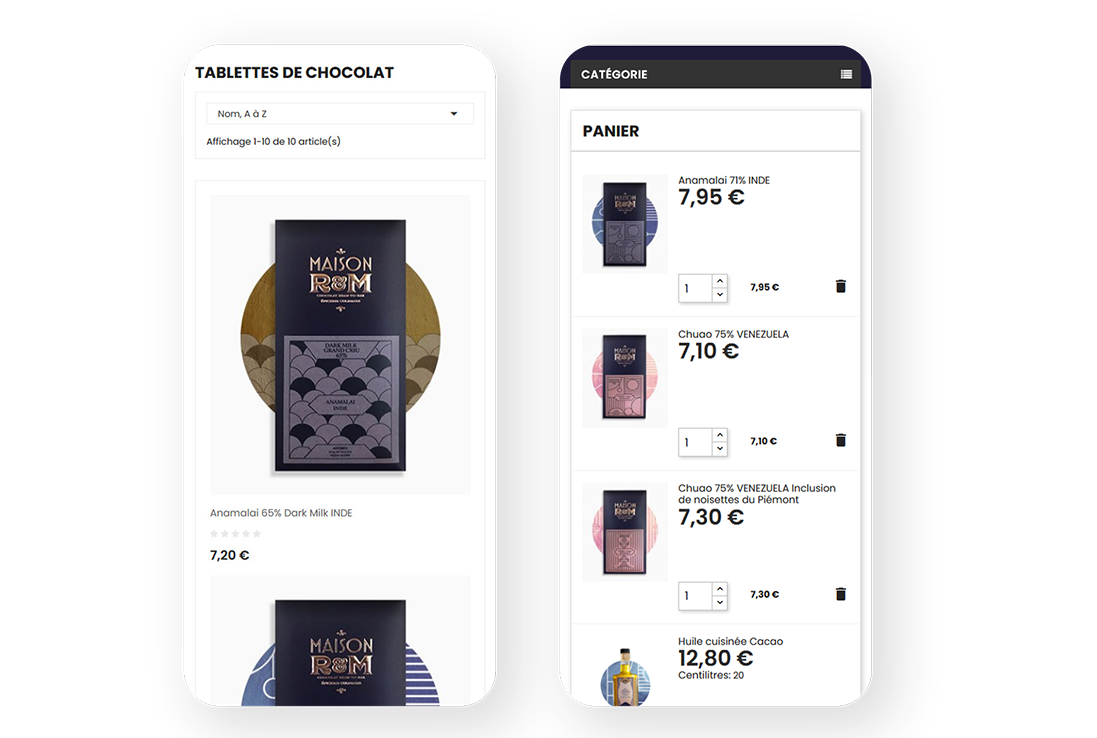
Design is creative, but it’s also measurable. Use analytics and testing to understand how users experience your brand.
Metrics that matter:
- Bounce rate and time on page (first impression strength).
- Conversion rate (ease of navigation and clarity of CTAs).
- Session recordings and heatmaps (friction points).
- Customer satisfaction and Net Promoter Score (loyalty indicators).
Continuous iteration — informed by data — ensures your design evolves with user needs and stays trustworthy over time.
Conclusion
In the digital era, first impressions are formed in seconds and remembered for years. Your UX/UI design is the silent ambassador of your brand — shaping perceptions long before words do.
When executed well, design becomes more than decoration; it becomes a trust-building tool that encourages engagement, confidence, and loyalty.
In 2025 and beyond, remember: good design is good business. If content is what you say, then design is how you’re heard — and it determines whether your audience decides to stay.