In modern digital experiences, aesthetics alone are not enough. Users demand interfaces that are both visually appealing and intuitively usable. Functional aesthetics is the design philosophy that merges brand identity with seamless user experience (UX), creating interfaces that delight users while reinforcing brand perception.
By focusing on the intersection of form and function, businesses can increase engagement, improve conversions, and strengthen brand loyalty.
What Is Functional Aesthetics?
Functional aesthetics refers to the practice of designing digital products where beauty serves purpose. Rather than treating visual appeal and usability as separate, this approach integrates:
- Brand expression: Colors, typography, and imagery that reflect the brand personality.
- Usability: Interfaces that are easy to navigate and intuitive to interact with.
- Consistency: Cohesive design language across all touchpoints.
The goal is to create an experience that is memorable, efficient, and emotionally resonant.
The Role of Brand Design in UX
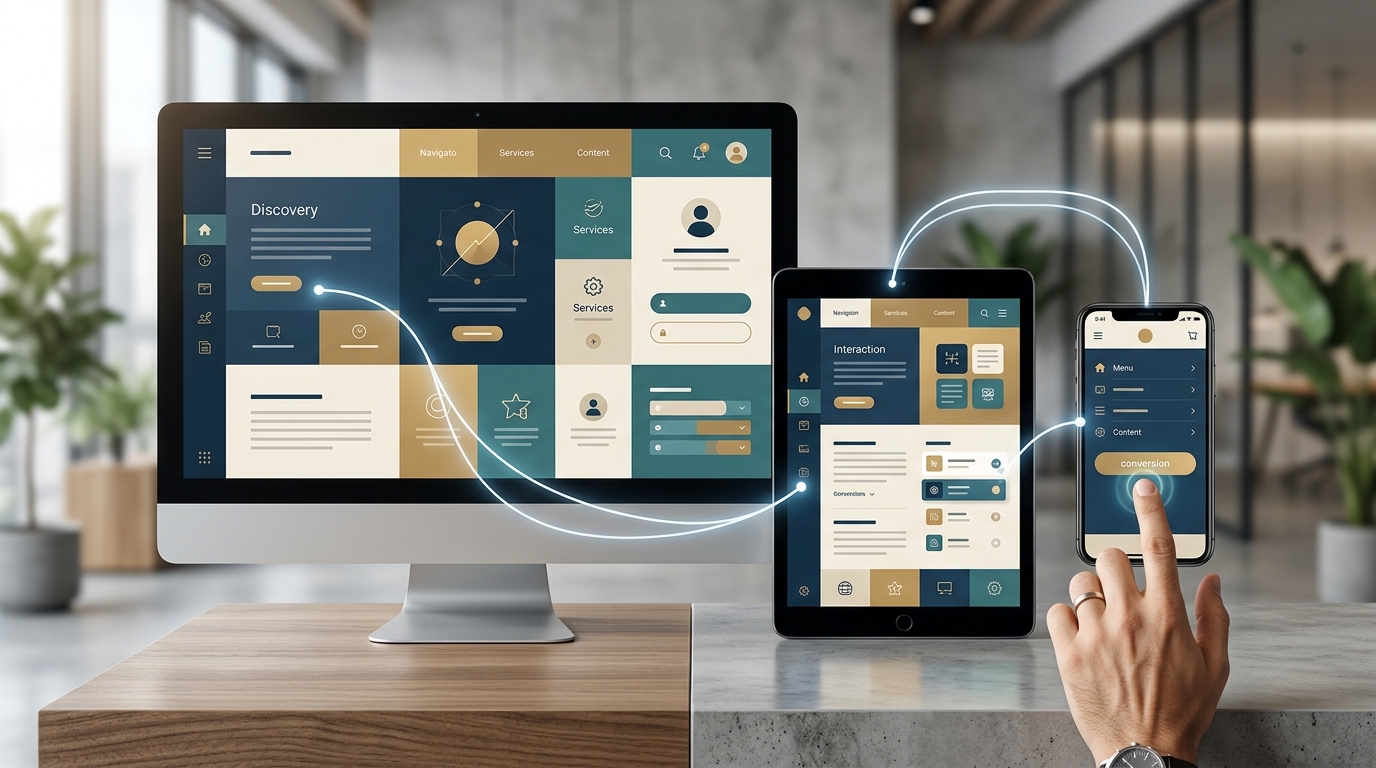
Brand design shapes how users perceive and interact with a product. Key considerations include:
- Visual hierarchy: Guides attention to important elements, improving task completion.
- Color psychology: Evokes emotion while maintaining accessibility standards.
- Typography and iconography: Enhances readability and reinforces brand identity.
- Imagery and graphics: Supports storytelling and strengthens recognition.
When brand design is thoughtfully integrated with UX, it builds trust and encourages engagement, making users feel confident navigating your product.
Principles of Seamless UX
Seamless UX ensures users can achieve goals effortlessly. Core principles include:
- Clarity: Every interface element communicates its purpose clearly.
- Consistency: Design patterns and interactions behave predictably.
- Efficiency: Minimize steps and reduce cognitive load for users.
- Accessibility: Inclusive design ensures usability for all audiences.
- Feedback and responsiveness: Provide cues to reassure users that actions were successful.
Merging these principles with brand aesthetics ensures that your interface is not only functional but also emotionally engaging.
Integrating Functional Aesthetics in Digital Design
To implement functional aesthetics effectively:
- Define brand guidelines: Establish color palettes, typography, and imagery that reflect your brand personality.
- Map user journeys: Identify key interactions and optimize them for both visual appeal and usability.
- Prioritize interface hierarchy: Use layout, spacing, and contrast to guide users intuitively.
- Test and iterate: Collect user feedback and conduct usability tests to refine both aesthetics and UX.
- Balance innovation and familiarity: Delight users without creating confusion through overly experimental designs.
This holistic approach ensures design decisions serve both brand identity and user goals.
Benefits of Functional Aesthetics
Investing in functional aesthetics delivers tangible results:
- Increased engagement: Users stay longer on interfaces that are visually and functionally satisfying.
- Higher conversion rates: Clear pathways and appealing design encourage desired actions.
- Stronger brand recall: Cohesive design reinforces identity and improves recognition.
- Reduced user frustration: Efficient interfaces reduce errors and improve satisfaction.
Functional aesthetics is not just about beauty—it’s about meaningful experiences that drive business results.
Future Trends in Functional UX Design

Looking ahead, functional aesthetics will evolve with digital innovation:
- AI-powered personalization: Tailored interfaces that adapt to user preferences.
- Immersive experiences: AR and VR integration to create interactive brand narratives.
- Micro-interactions: Subtle animations that enhance usability and delight users.
- Sustainable design: Eco-conscious digital design practices aligned with brand values.
Designers who combine these trends with functional aesthetics will create cutting-edge experiences that delight and convert users.
Conclusion
Functional aesthetics represents the marriage of brand design and seamless UX, ensuring that digital experiences are visually appealing, user-friendly, and aligned with business goals. By focusing on both form and function, businesses can build interfaces that engage users, drive conversions, and reinforce brand identity.
In 2025, success in digital design will not be measured solely by beauty or usability alone—but by the experience that emerges when both are thoughtfully integrated.