In 2026, users no longer adapt to digital experiences—digital experiences adapt to them.
Speed, clarity, and seamless interaction are now the baseline expectation. And the first and most important screen remains the same: the smartphone.
Mobile-first design is no longer a strategy trend. It is the default foundation of modern UX, influencing how brands design, structure, and deliver digital products.
If your experience fails on mobile, users don’t wait—they leave instantly.
1. Mobile-First in 2026: No Longer Optional
Mobile traffic continues to dominate global usage, and AI-driven search systems now prioritize mobile usability as a core ranking factor.
In 2026, mobile-first means:
- Designing for real-time user behavior, not assumptions
- Prioritizing instant loading and zero-friction navigation
- Building interfaces optimized for AI search previews and voice search
- Ensuring consistent performance across low and high-end devices
It’s no longer about “responsive design.” It’s about mobile-native thinking.
2. “Start Small, Scale Intelligence”
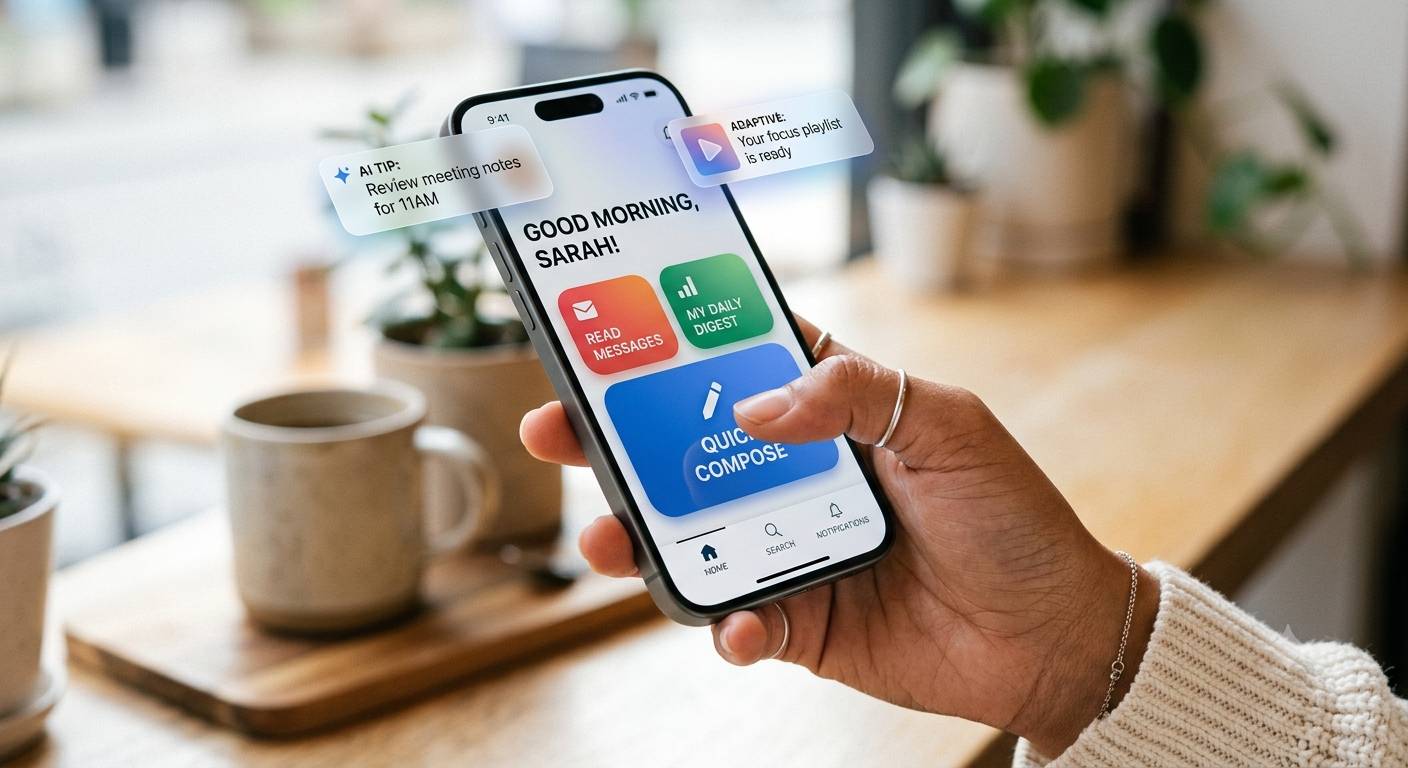
The modern philosophy has evolved:
From: Start small, scale up
To: Start small, scale intelligence
Design now begins with constraints like:
- Short attention spans
- One-thumb interaction
- AI-assisted browsing behavior
This forces teams to define what truly matters first, then expand intelligently across devices.
3. Performance Is Now Real-Time or Nothing
In 2026, users expect instant interaction—not just fast pages.
To meet modern expectations:
- Use ultra-light frameworks and edge rendering
- Prioritize AI-powered caching and predictive loading
- Optimize media using adaptive streaming formats
- Remove all non-essential scripts from mobile flows
Speed is no longer a feature—it is user survival psychology. If it feels slow, it feels broken.
4. Thumb-First Interaction Design
Mobile interaction in 2026 is fully behavior-driven.
Key principles:
- One-handed navigation is the default use case
- Interactive zones must follow natural thumb movement patterns
- Voice + gesture hybrid controls are increasingly standard
- Primary actions must be reachable without repositioning grip
Design is now about comfort physics, not just UI layout.
5. Content Must Be Instant-Readable
Attention spans are shorter, but expectations are higher.
Modern mobile content should:
- Deliver meaning in the first 3 seconds
- Use AI-generated summaries and expandable detail layers
- Prioritize scannability over long-form density
- Support zero-scroll decision-making when possible
Users don’t read anymore—they filter instantly.
6. Mobile SEO in 2026: AI + UX Fusion
SEO is no longer separate from UX.
Key ranking signals now include:
- Mobile Core Web Vitals in real-time
- AI readability scoring (structure + clarity)
- Voice-search compatibility
- Structured content optimized for AI summaries
To rank, your site must be:
- Fast
- Clear
- Machine-readable
- Human-friendly
7. Accessibility Is Now Universal Design
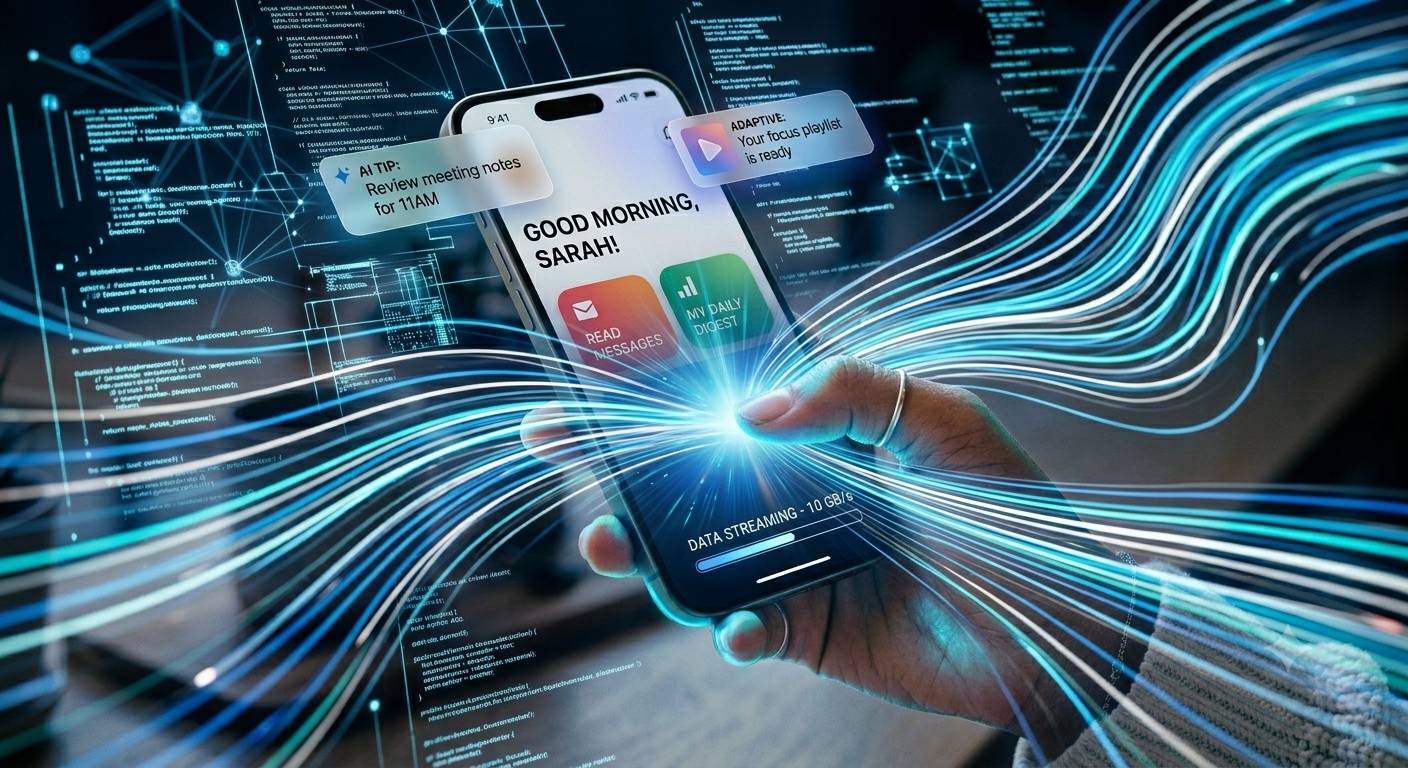
In 2026, accessibility is not compliance—it is global usability.
Best practices:
- Adaptive contrast based on environment lighting
- AI-assisted screen readers and context descriptions
- Dynamic font scaling based on user behavior
- Gesture alternatives for all interactions
Accessible design now improves experience for everyone, not just specific users.
8. Scaling Across Devices Is Now Fluid
The modern ecosystem is no longer mobile → desktop.
It is:
mobile → foldables → tablets → desktops → wearable devices
To scale effectively:
- Keep a single adaptive design system
- Let content reflow dynamically based on device intelligence
- Avoid device-specific versions
- Maintain consistent interaction logic across all screens
9. Leading Brands in 2026 Think Mobile-Native First
Top digital leaders no longer “optimize for mobile”—they build for it first:
- Apps prioritize AI-assisted navigation and prediction
- Interfaces adjust in real time based on user behavior
- Checkout and conversion flows are fully frictionless
- Personalization is dynamic, not static
The result is simple: less effort, more action
Conclusion: Mobile-First Is Now Human-First
In 2026, mobile-first design is no longer about devices.
It is about behavior, speed, intelligence, and context.
The most successful digital experiences are not the ones that look good on screens.
They are the ones that feel invisible, instant, and effortless in real life.
Because the future of design is not bigger screens.
It is smarter experiences in your hand.