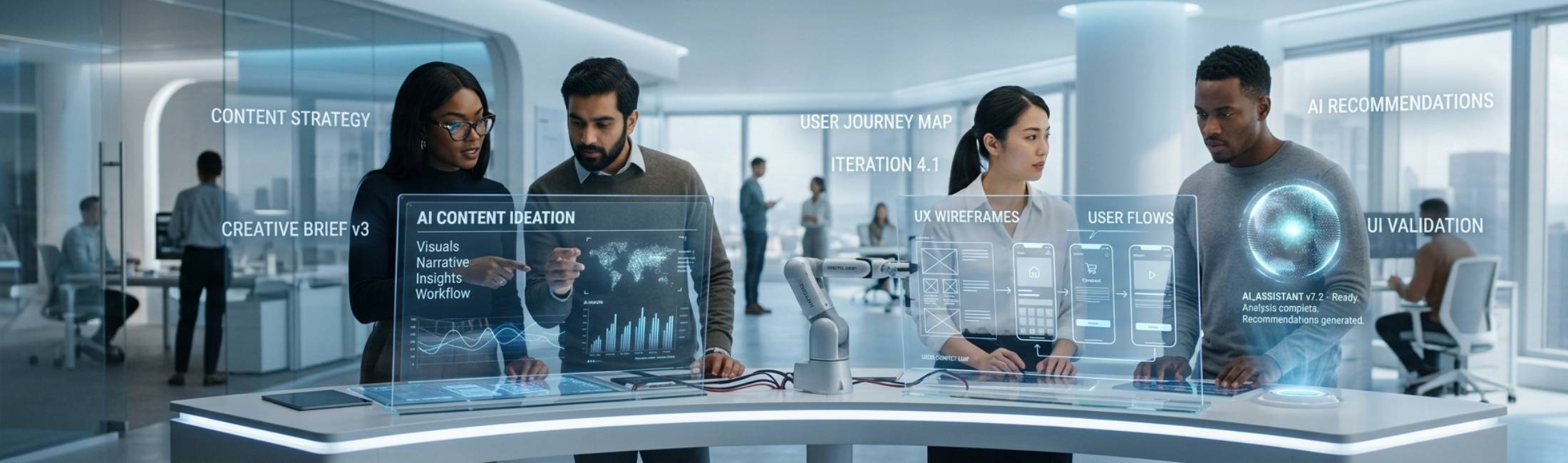
In a world overflowing with content, clarity is no longer optional—it’s essential. In 2026, users interact across multiple devices, AI systems, and immersive digital environments.
Introduction
Attention is more fragmented than ever, and users expect instant understanding. Content design has become a core pillar of digital communication in 2026, focusing on clarity, accessibility, and meaningful user experiences.
The future of content design is about designing understanding at scale, where words, visuals, voice, and AI-driven interactions work together seamlessly.
What Is Content Design—and Why It Matters More Than Ever
Content design is the strategic process of shaping information to meet user needs. It combines copywriting, UX, and AI interaction design to improve how users consume and act on information.
- Communicate clearly across text, voice, and AI interfaces
- Anticipate user intent before it is expressed
- Create adaptive and human-centered content experiences
Content design is the invisible system behind seamless digital experiences.
From Words to Experience: The Evolution of Content Design

In 2026, content is no longer added after design—it is part of the design process itself. Teams now collaborate from the start to create responsive and intelligent experiences.
- Content is built around dynamic user journeys
- Every word supports usability and personalization
- Tone and structure adapt across platforms
Content is no longer static—it is contextual and adaptive.
The Psychology of Clarity
Clarity is cognitive efficiency. Even in advanced digital systems, human attention is limited.
- Chunking: Breaking content into small units
- Visual hierarchy: Guiding attention through layout
- Plain language: Reducing cognitive load
- Cognitive pacing: Controlling information flow
Clarity is now a measurable driver of trust and engagement.
Structuring for Impact
Effective content is built on intentional structure:
- Purpose: What must the user understand or do?
- Context: Where will the content be consumed?
- Hierarchy: What is most important?
- Flow: How does understanding build?
- Action: What comes next?
Modern content systems adapt structure based on user behavior and context.
Multimodal Content: Designing for All Interfaces
Content in 2026 extends beyond screens into voice, AI, and immersive environments.
- Readable and speakable content for AI assistants
- Accessible design for all users
- Responsive content across devices and formats
Content must now adapt across all digital environments.
AI and the Future of Content Design
AI plays a central role in content creation, optimization, and personalization.
- Improving readability and tone consistency
- Personalizing content based on behavior
- Predicting engagement performance
However, human creativity remains essential for meaning and emotional depth.
Accessibility and Inclusivity

Inclusive content design ensures that everyone can access and understand information equally.
- Readable typography and strong contrast
- Screen reader optimization
- Multilingual and adaptable content
Accessibility improves both ethical standards and user reach.
Measuring Clarity
Modern content performance is measured through user experience, not vanity metrics.
- Task completion rates
- Time to understanding
- Engagement depth
- User confusion signals
- Feedback on clarity and usability
Conclusion
In 2026, clarity remains the foundation of digital success. Content design is no longer about producing more—it is about designing better understanding.
Brands that prioritize clarity, structure, and human-centered design create experiences that feel effortless, intelligent, and trustworthy.
Success belongs to those who make understanding simple.