In 2026, the average user’s attention span is shorter than ever—but the expectation for intelligent, meaningful digital experiences has reached a new level.
Between hyper-personalized feeds, real-time AI interactions, and constant digital noise, brands face a critical challenge: how to make users pause, engage, and stay.
The answer lies in intentional, adaptive web design—where aesthetics, psychology, and advanced technology merge to create experiences users don’t just visit, but truly remember.
Let’s explore the web design principles shaping engagement in 2026:
Human-Centered Design: Start With Emotion, Not Aesthetics
In 2026, design begins with empathy. It’s no longer just about how a website looks—but how it makes users feel within seconds.
Human-centered design means:
- Understanding user intent in real time.
- Anticipating needs before users express them.
- Creating intuitive journeys that feel natural and effortless.
When users feel understood instantly, they stay longer and build trust faster.
Visual Hierarchy: Guiding Attention Instantly

Users scan faster than ever, so clarity is essential. A strong visual hierarchy ensures that key messages are understood within seconds.
Key strategies:
- Clear, impactful headlines.
- Strategic contrast for calls to action.
- Generous whitespace for focus.
- Consistent typography for flow and readability.
In 2026, simplicity isn’t minimal—it’s strategic.
Motion Design: Smart, Subtle, and Responsive
Motion has evolved from decoration to communication.
Effective motion design now:
- Reacts to user behavior in real time.
- Guides navigation intuitively.
- Provides immediate visual feedback.
The rule remains the same: motion must enhance clarity, not compete for attention.
Minimalism Meets Narrative Experience
Minimalism in 2026 is no longer just “clean design”—it’s storytelling with precision.
Think:
- Strong visual identity with fewer elements.
- Intentional use of color and space.
- Scroll-based narratives that unfold naturally.
Every element must justify its presence and contribute to the overall story.
Microinteractions: Precision Engagement
Microinteractions have become more refined and intelligent.
Examples:
- Real-time feedback animations.
- Context-aware button responses.
- Smooth transitions that confirm user actions.
These small details create a sense of responsiveness and elevate the overall experience.
AI-Driven Personalization: From Reactive to Predictive
In 2026, personalization is predictive—not just reactive.
With advanced AI, websites can:
- Adapt layouts dynamically based on behavior.
- Anticipate user needs before interaction.
- Deliver hyper-relevant content instantly.
The result is a seamless experience that feels tailored, intuitive, and personal.
Accessibility and Inclusivity: A Core Standard
Accessibility is no longer optional—it’s expected and regulated in many regions.
Best practices:
- High-contrast and readable design.
- Full keyboard and voice navigation.
- Screen reader optimization.
- Reduced-motion options for sensitive users.
Inclusive design builds trust and ensures no user is left behind.
Adaptive Design: Beyond Responsive
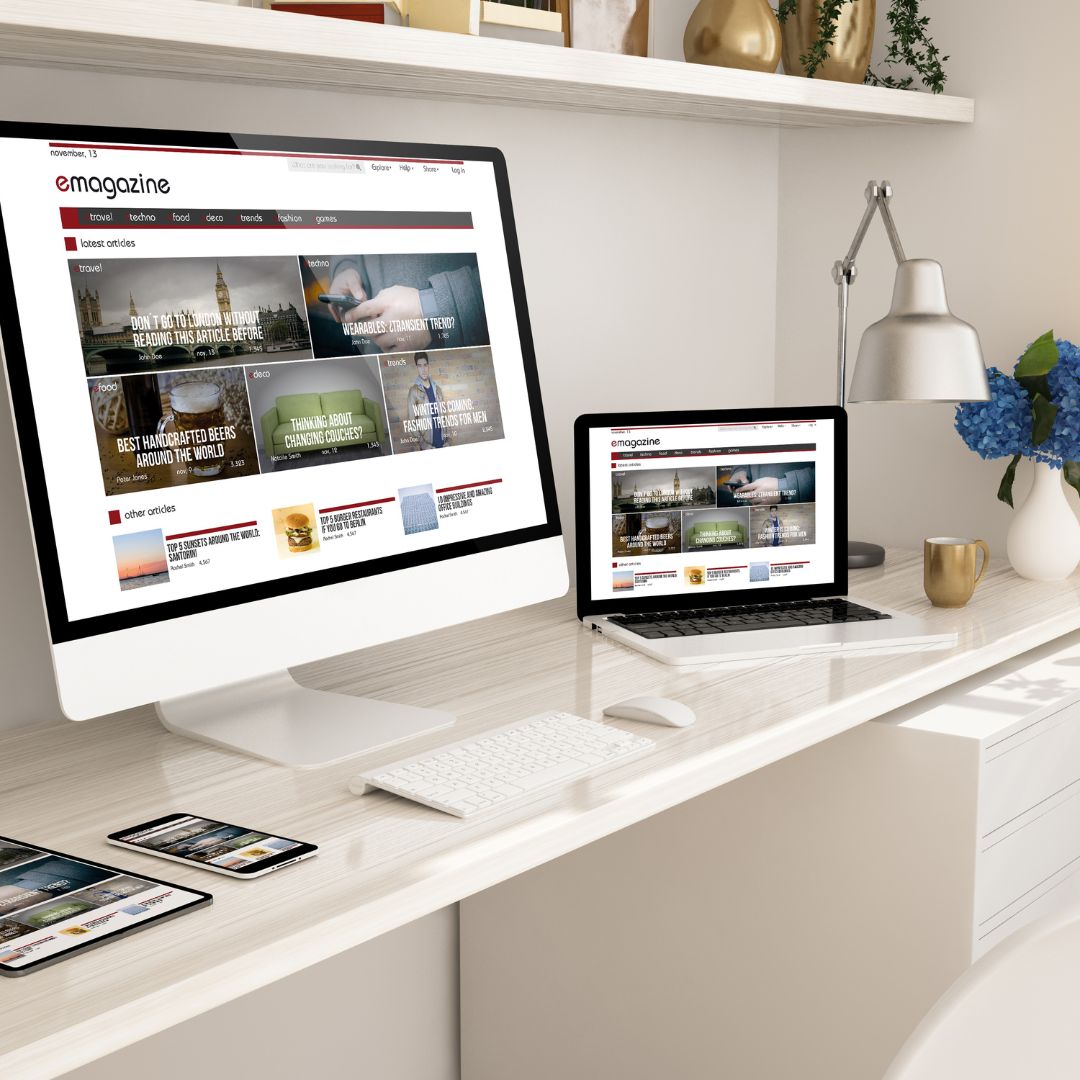
Responsive design is standard—adaptive design is the new benchmark.
In 2026, websites:
- Adjust to context (device, location, time, behavior).
- Optimize performance dynamically.
- Deliver different experiences depending on user intent.
This creates continuity across devices and environments.
Immersive Experiences: Interactive by Default
Immersion is becoming mainstream through AR, 3D, and interactive layers.
Brands now:
- Offer virtual product experiences.
- Create interactive storytelling environments.
- Use spatial design to enhance engagement.
Users don’t just browse—they interact and explore.
Performance and Sustainability: Invisible but Essential
Speed and sustainability are critical retention factors.
Focus on:
- Fast-loading, optimized assets.
- Efficient, lightweight design systems.
- Eco-conscious hosting and reduced data usage.
In 2026, performance reflects both technical quality and brand responsibility.
Conclusion: Design That Earns Attention
Capturing attention in 2026 isn’t about being louder—it’s about being smarter.
When design combines emotion, intelligence, and seamless performance, it transforms a simple visit into a meaningful experience.
Because today, great design doesn’t just attract users—it understands them, adapts to them, and keeps them coming back.