
Search is no longer just about typing keywords—it’s about seeing, understanding, and interpreting visuals. In 2026, visual search has evolved into a dominant discovery layer across digital ecosystems. Users now start with cameras, not keywords.
Tools like Google Lens, Pinterest Lens, Bing Visual Search, and AI-native assistants now allow users to identify, compare, and purchase products instantly from images, screenshots, and video frames.
The future of SEO is fully visual, contextual, and AI-interpreted.
What Is Visual Search and Why It Matters in 2026
Visual search allows users to capture or upload an image and receive results based on AI interpretation of visual content.
Modern AI understands not just objects—but context, intent, and meaning.
- A user snaps a chair → gets similar designs and pricing
- A traveler photographs a landmark → receives guides and nearby attractions
- A shopper sees a jacket → finds brands and purchase options instantly
Visual search is now a primary search behavior, especially on mobile and wearable devices.
The Rise of Camera-First Discovery
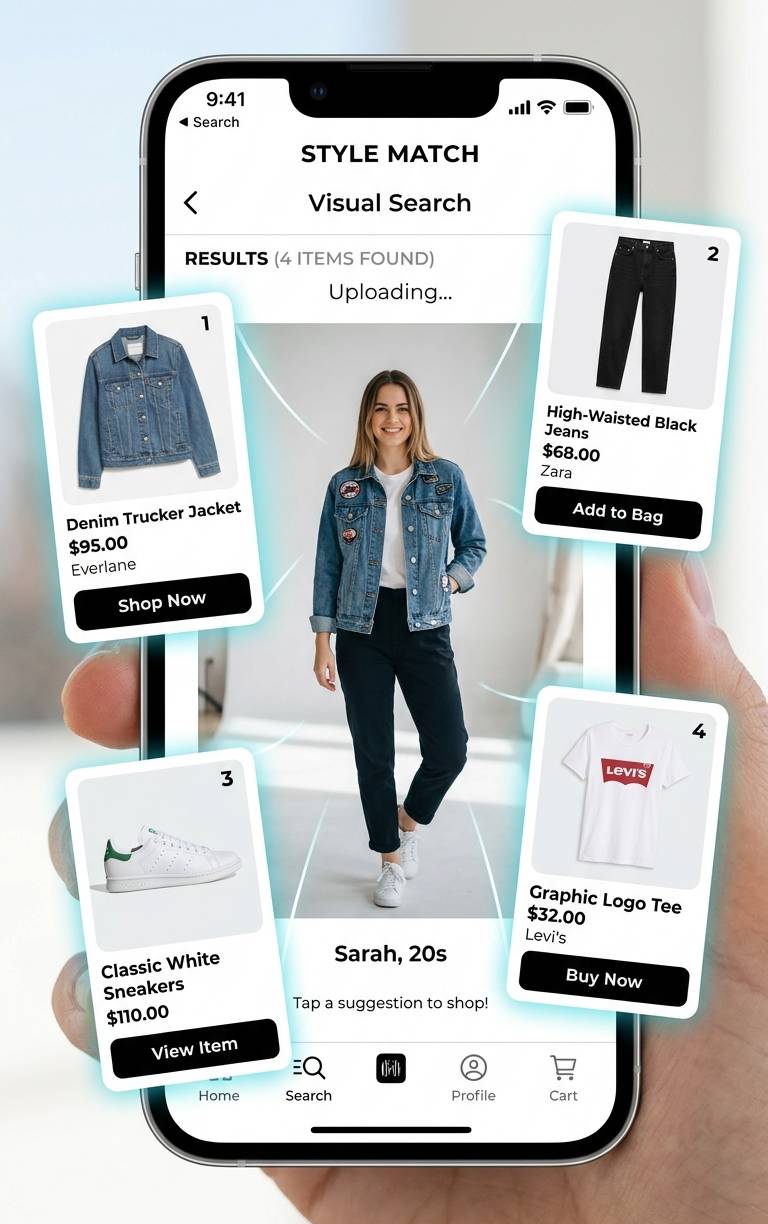
In 2026, over 50% of product discovery journeys involve visual input at some stage.
This shift is driven by:
- Advanced multimodal AI (vision + language models)
- AR-enabled smartphones and wearable devices
- Social commerce platforms with shoppable images
- Instant object recognition in apps and browsers
Users now search through their environment rather than through text queries.
The SEO Shift: From Keywords to Visual Context
SEO in 2026 focuses on visual meaning rather than keywords.
Search systems analyze:
- Objects and relationships in images
- Scene context and environment
- Emotional and lifestyle signals
- Surrounding semantic page content
- Multimodal metadata alignment
Success depends on how clearly visuals communicate meaning to AI systems.
Designing for AI Vision
To optimize for visual search in 2026:
- Use high-resolution, realistic images
- Show products in natural environments
- Avoid heavy filters and overlays
- Maintain clear visual focus per image
- Ensure consistent brand imagery style
Every image should act as a structured data input for AI interpretation.
Alt Text and Structured Data
Alt text example:
Good: “Minimalist wooden dining table with black metal legs in modern interior”
Weak: “table furniture modern wood dining”
Structured data (schema markup) helps connect visuals to rich results such as pricing, availability, and reviews.
- Product schema
- ImageObject schema
- VideoObject schema
Together, metadata and alt text bridge visuals and search engines.
UX in 2026: Visual Navigation
Modern UX is now image-first.
- Image grids and swipeable galleries
- Hover-to-explore interactions
- Visual filters (color, style, texture)
- Fast-loading optimized images
Every image becomes a navigation entry point.
E-Commerce and Visual Search
Visual search has become a high-conversion engine in e-commerce.
- Fashion platforms enable “shop the look” features
- Furniture brands support room scanning
- Marketplaces use AI style matching
Product photography is now search infrastructure, not decoration.
AI Personalization
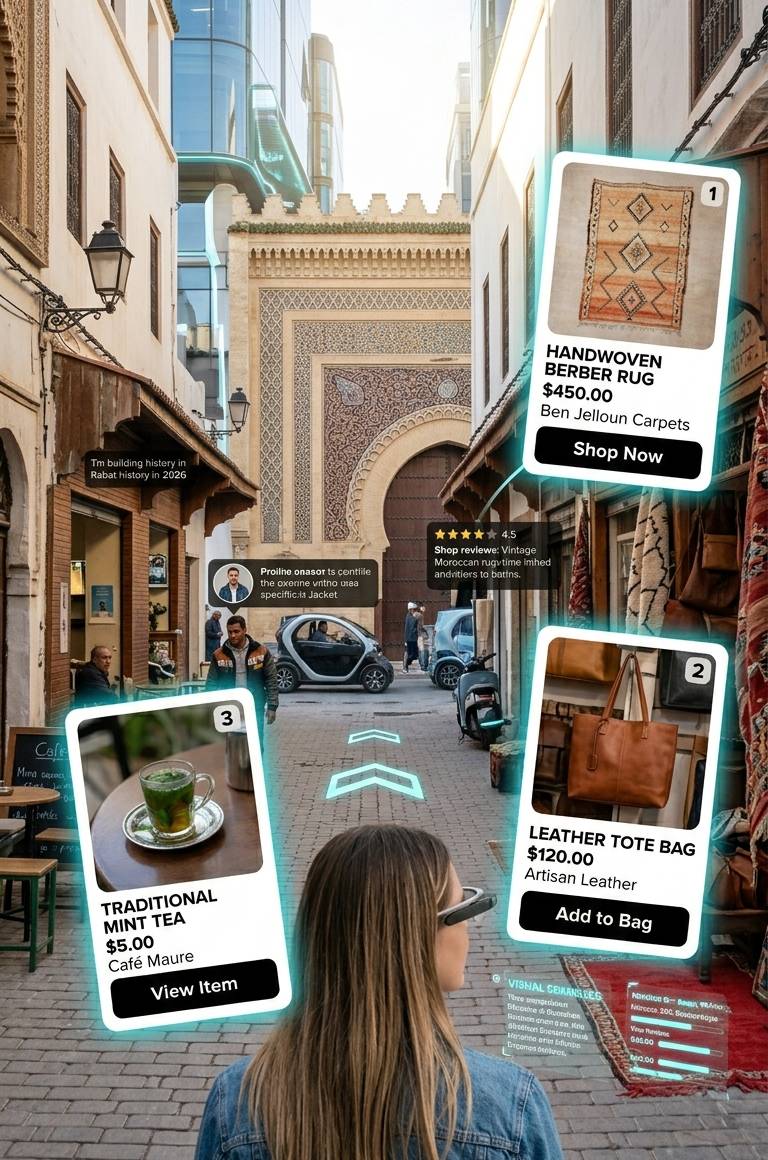
Visual search results are now personalized in real time.
- User preferences and behavior history
- Device context (mobile, AR, wearable)
- Location and real-time intent signals
- Cultural and aesthetic adaptation
The same image may produce different results for different users.
Conclusion: From Keywords to Visual Intelligence
Search has evolved into a visual intelligence system where AI interprets the world through images.
- Your visuals are your keywords
- Your design is your ranking factor
- Your images are your SEO strategy
Brands that design for visual understanding—not just textual optimization—will define the next era of digital discovery.