In the digital world, animation is everywhere—from the way a button bounces when clicked to how an image fades into view. But in 2025, motion design isn’t about decoration—it’s about communication.
Animation, when done right, adds rhythm, life, and meaning to a website or app. It enhances clarity, guides attention, and evokes emotion. When done wrong, it distracts, slows performance, and frustrates users.
The difference lies in intentional design—using motion to support, not overshadow, the user experience.
The Evolution of Motion Design in UX
A decade ago, animations were purely aesthetic—flashes of creativity to make interfaces feel modern. But as UX matured, designers realized motion could do far more than entertain.
In 2025, motion design is a strategic UX tool. It’s a way to:
- Communicate system feedback.
- Reinforce hierarchy and flow.
- Add delight and emotional resonance.
- Strengthen brand personality.
Motion has evolved from “eye candy” to essential storytelling—helping users understand what’s happening, where they are, and what they should do next.

The Psychology Behind Movement
Humans are naturally drawn to movement—it signals importance, triggers curiosity, and focuses attention. In design, that instinct can be harnessed to guide behavior.
A well-placed animation can:
- Indicate progress (“Your order is on its way!”).
- Provide reassurance (smooth transitions between states).
- Reward action (a checkmark or confetti animation after completion).
Motion speaks to users on an emotional level, offering a sense of flow and accomplishment that static interfaces can’t replicate.
Functional Motion: Clarity Through Movement
Every animation should serve a functional purpose—to clarify, not clutter.
Functional motion design achieves three key goals:
- Orientation: Helps users understand spatial relationships between pages or elements.
- Feedback: Confirms actions like submitting a form or adding to cart.
- Focus: Directs attention toward key elements, reducing cognitive load.
For example, when a menu slides from the side, it shows users where it came from—and how to close it. That’s clarity through motion.
Microinteractions: Small Animations, Big Engagement
Microinteractions are the unsung heroes of motion design—the tiny animated responses that make digital experiences feel alive.
Examples include:
- A heart icon filling when “liked.”
- A loading spinner morphing into a success checkmark.
- A soft hover glow indicating clickable areas.
These details create instant emotional feedback, helping users feel connected and in control. In 2025, microinteractions are no longer embellishments—they’re essential for a polished, human experience.
Storytelling Through Motion
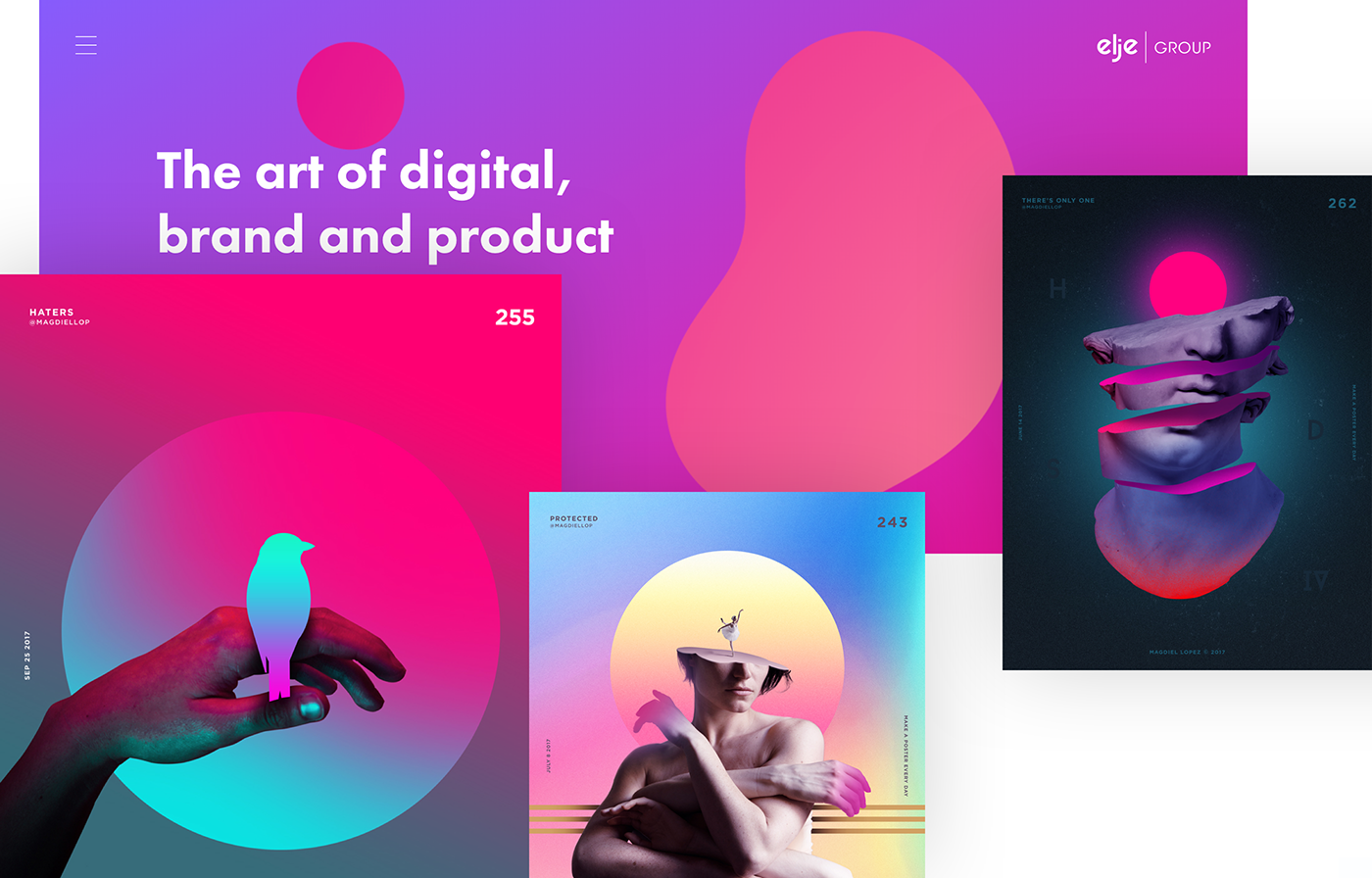
Beyond functionality, animation can tell stories. Motion sequences can guide users through a brand’s journey or a product’s features without relying on heavy text.
Story-driven motion design focuses on:
- Timing: Smooth, purposeful pacing that mimics real-world movement.
- Easing: Natural acceleration and deceleration that make transitions believable.
- Continuity: Seamless progression between sections or scenes.
This form of motion creates emotional continuity—users feel like they’re part of a narrative, not just navigating a site.
Balancing Motion and Restraint
The best motion design is invisible—users notice its effect, not its presence. Too much movement can overwhelm or even cause motion sickness.
Follow these principles for balance:
- Use motion sparingly and consistently.
- Limit simultaneous animations to one focal point.
- Ensure transitions support usability (not delay it).
- Always provide motion control settings for accessibility.
Good motion should feel effortless, blending seamlessly with the brand’s tone and user expectations.
Brand Personality Through Animation
Animation is a powerful tool for expressing brand identity. A playful bounce can make a startup feel approachable, while a sleek fade can convey sophistication.
Motion can reflect brand values through:
- Timing: Fast-paced for energetic brands, slow and smooth for premium ones.
- Style: Organic motion for creativity, geometric precision for professionalism.
- Interaction tone: Subtle vs. expressive, depending on brand character.
Every movement tells a story about who you are—and consistency across interactions builds trust and memorability.
Performance and Accessibility: Designing Responsibly
In 2025, motion design must also respect performance and inclusivity. Overly complex animations can slow load times and alienate users with motion sensitivity.
Best practices include:
- Using CSS animations over heavy JavaScript for efficiency.
- Offering “Reduce Motion” settings for accessibility.
- Avoiding parallax overload or flashing effects.
- Testing across devices to ensure smooth playback.
Purposeful motion design enhances—not hinders—performance and inclusivity.
Tools and Techniques for Modern Motion Design
Today’s designers have powerful tools to create sophisticated animations efficiently:
- Lottie (JSON-based lightweight animations).
- Framer Motion for React developers.
- Figma’s Smart Animate for prototyping.
- After Effects + Bodymovin for exporting web-ready motion.
These tools allow for scalable, responsive animation—ensuring that motion looks consistent on every device and platform.
The Future of Motion: From Screens to Experiences
As we move deeper into mixed reality and AI-enhanced interfaces, motion will extend beyond screens.
Expect motion design to evolve toward:
- Gesture-based interaction in AR/VR.
- Voice-activated animation for smart displays.
- Adaptive motion that personalizes to user behavior and mood.
In the future, motion won’t just enhance interaction—it will become interaction.
Conclusion: Motion With Purpose
Animation matters because it humanizes digital experiences. It guides, delights, and communicates faster than words. But the secret isn’t more movement—it’s meaningful movement.
When motion enhances rather than distracts, users feel flow, confidence, and connection. In 2025, the best motion design isn’t flashy—it’s felt.